













A look at the storied career of Grammy Award-winning producer/audio engineer Steven Epstein and why he uses Sequoia to record, edit, mix, and master.
Steven Epstein is a 17-time Grammy Award winner, a 2-time Latin Grammy Award winner, and a classical music aficionado whose love of the genre began at 2 years old. The audio engineer and producer received a recording of Mozart’s 21st Piano Concerto, became captivated, and wore out the Columbia 10” LP. “Ever since, classical music has been what moves me more than any other musical genre,” says Epstein. “I realized, as a teenager, that I wanted to follow a career path in engineering and producing music recordings.”
Over 400 recordings later, his discography includes works by Bach, Beethoven, Handel, Haydn, Gershwin, Mahler, Mozart, Tchaikovsky, Vivaldi, Wagner, and many more. He has recorded with world-renowned orchestras such as the London Symphony Orchestra (UK), the Los Angeles Symphony Orchestra (USA), and the Royal Concertgebouw Orchestra (Netherlands), as well as the Berlin Philharmonic (Germany), the New York Philharmonic (USA), and the Vienna Philharmonic (Austria). He’s also worked with artists Yo-Yo Ma, Wynton Marsalis (classical and jazz), Plácido Domingo (opera), Itzhak Perlman, Isaac Stern, and with original Broadway casts.
Epstein has relied on Boris FX Sequoia as his digital audio workstation (DAW) since 2007. “Sequoia is with me from the recording studio to the editing, mixing, and mastering studio,” remarks Epstein. “From ‘take one’ to final master approval. It is a complete system.”
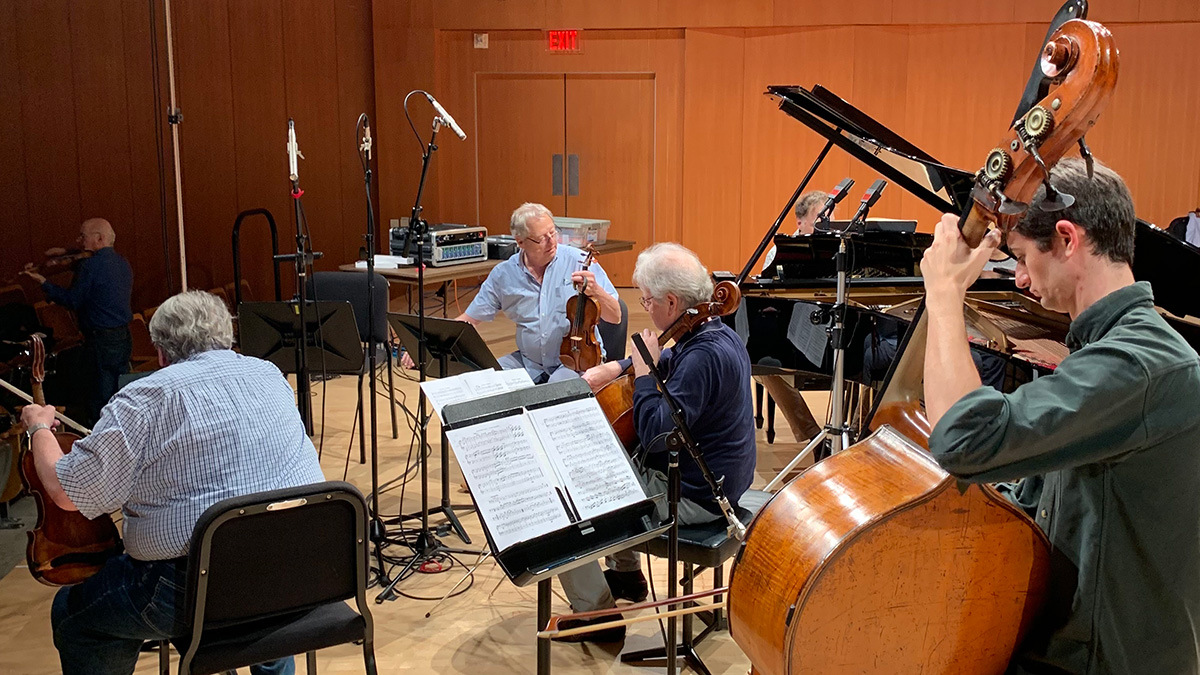 Alon Goldstein (piano) and the Fine Arts Quartet recording arrangements of two Mozart piano concertos
The First Note
Epstein was seventeen when he wrote a letter to the co-director of Columbia Masterworks, Tom Frost, who kindly offered to meet him in his NYC office. “He suggested what I should concentrate on in college, majoring in music and communication. At that time (1969), there were no dedicated college programs in sound technology,” states Epstein. “So I became the classical music director of Hofstra University’s wonderful FM radio station, and used that position to record classical ensembles, and if appropriate, broadcast those recordings over the air.” After graduating, he applied to numerous labels as a music editor.
“In those days, New York hosted many classical labels (unlike today) such as Columbia, RCA, Angel, Vox, and others. I revisited Tom Frost with Tom Shepard (also co-director of Columbia Masterworks), who eventually hired me in 1973 as music editor,” continues Epstein. Over the years, Epstein worked his way up to senior executive producer. He spent 33 years within the same ecosystem (Columbia Masterworks, CBS Records, and Sony Classical), witnessing the evolution of digital recording and audio engineering — from recording symphony orchestras with 35 microphones onto 8 or 16-track analog tapes and physically splicing tape with a razor blade on Ampex or Scully tape machines to DAWs like Sequoia. “The advent of digital started a whole new revolution in making acoustic classical recordings with the development of improved specs over analog: speed consistency, greater dynamic range, and none of the noise problems associated with analog,” comments Epstein. “For me, one of the most extreme benefits — operationally — is non-destructive editing.”
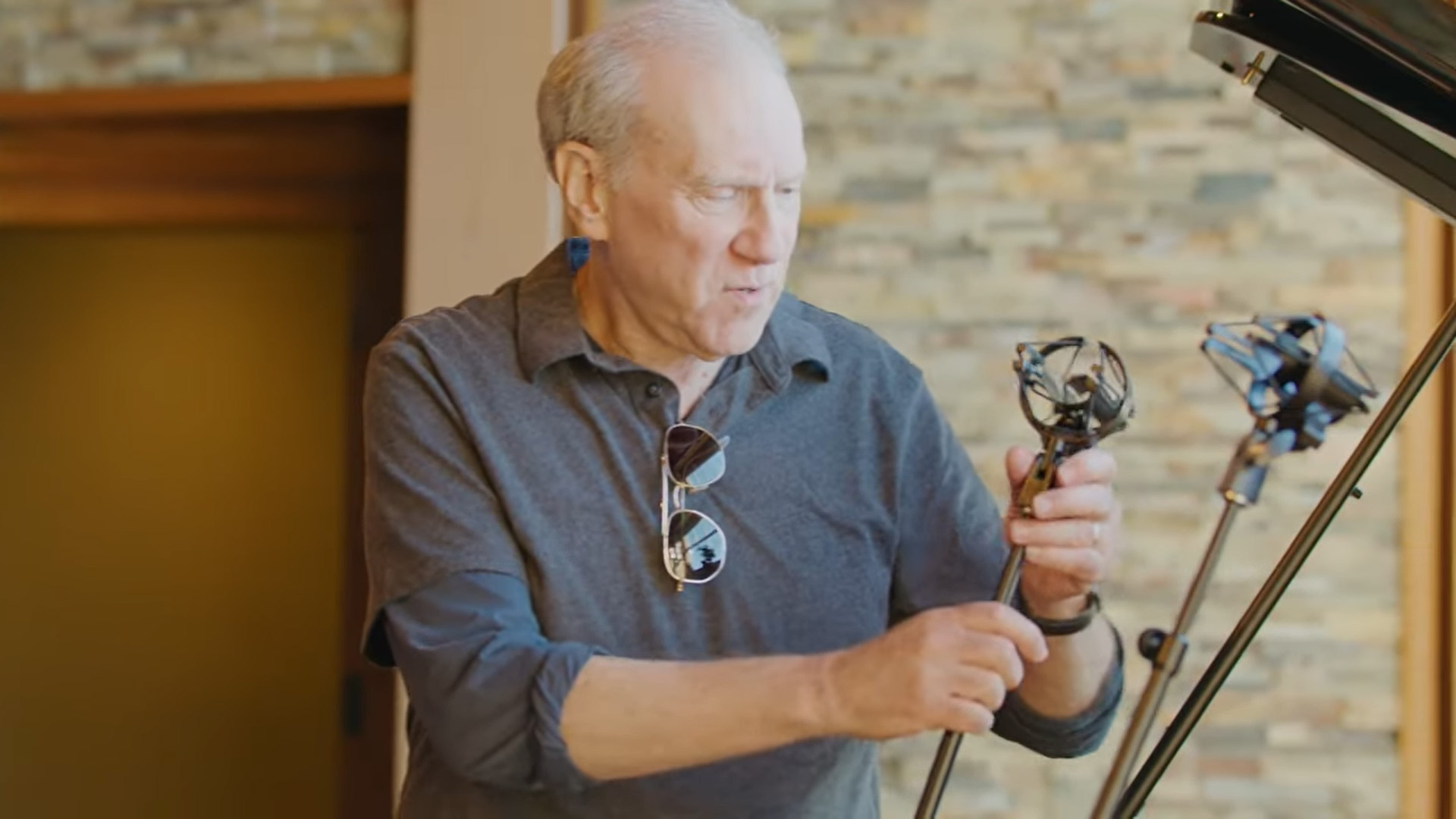 Producer & audio engineer Steven Epstein mics a recording session
A New Variation
After starting his next chapter as an independent producer/engineer in 2006 (under Steven Epstein Audio, LLC), Epstein quickly realized he would need his own recording gear and DAW. “The late and wonderful Grammy-nominated mastering engineer, Joe Palmaccio, suggested that I try Sequoia, which he raved about,” notes Epstein. “Ever since then, Sequoia and its subsequent iterations have been my resolute software for my independent projects, from recording to post-production.”
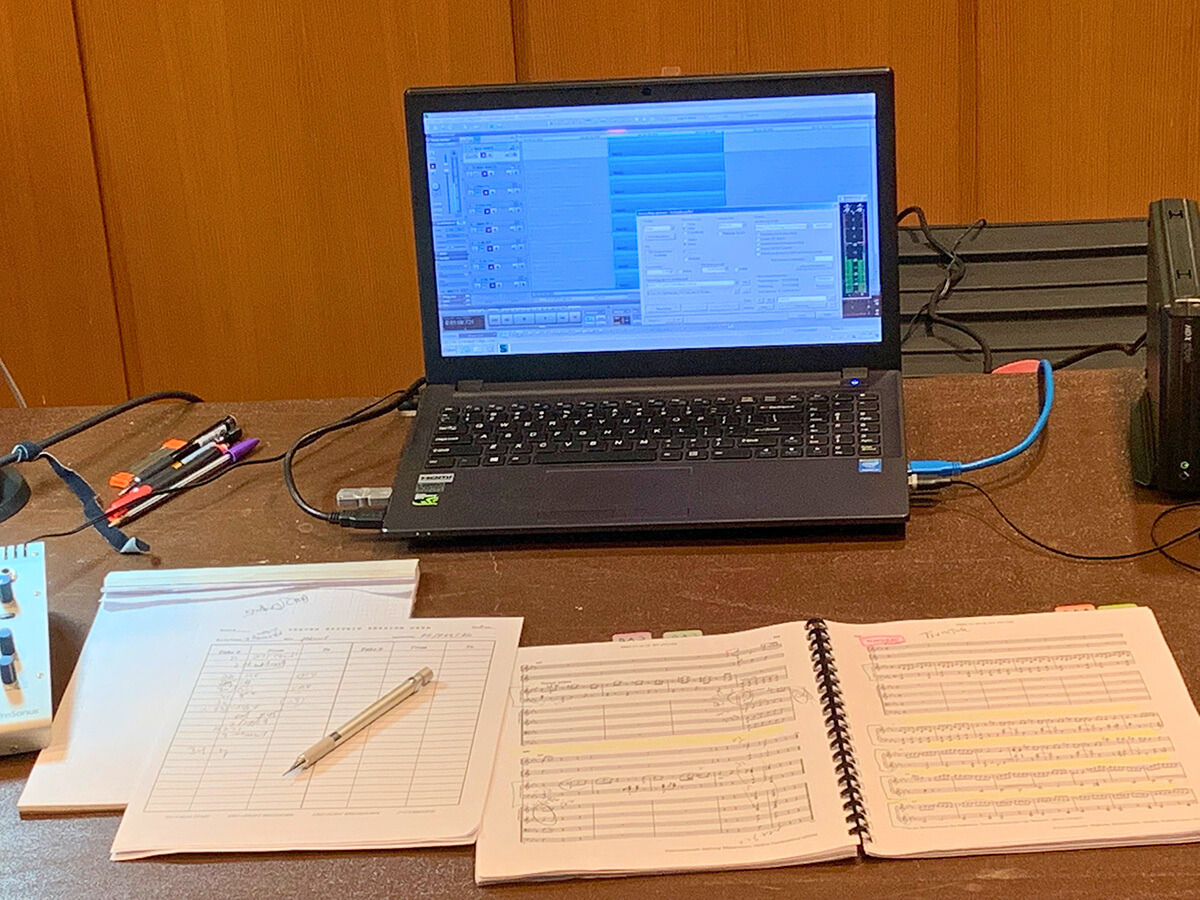 A glimpse of how Steven Epstein works with Sequoia at recording sessions
An Orchestra of Audio Tools
Epstein uses Sequoia in every step of his process across all music genres. The DAW’s flexibility allows him to make complex edits he might not otherwise attempt using other tools.
“Sequoia has proven to be the most neutral-sounding, versatile, and user-friendly program that I have ever used. The non-destructive crossfade source/destination editing is second to none and incredibly intuitive,” explains Epstein. “In acoustic classical recording, one doesn’t always find an optimal edit point, such as a discreet attack, since one note might not elide into another with no separate attack. The adjustable crossfades, level adjustments, and many other refinements make this kind of splicing very doable. Sequoia’s capabilities can save a performance!”
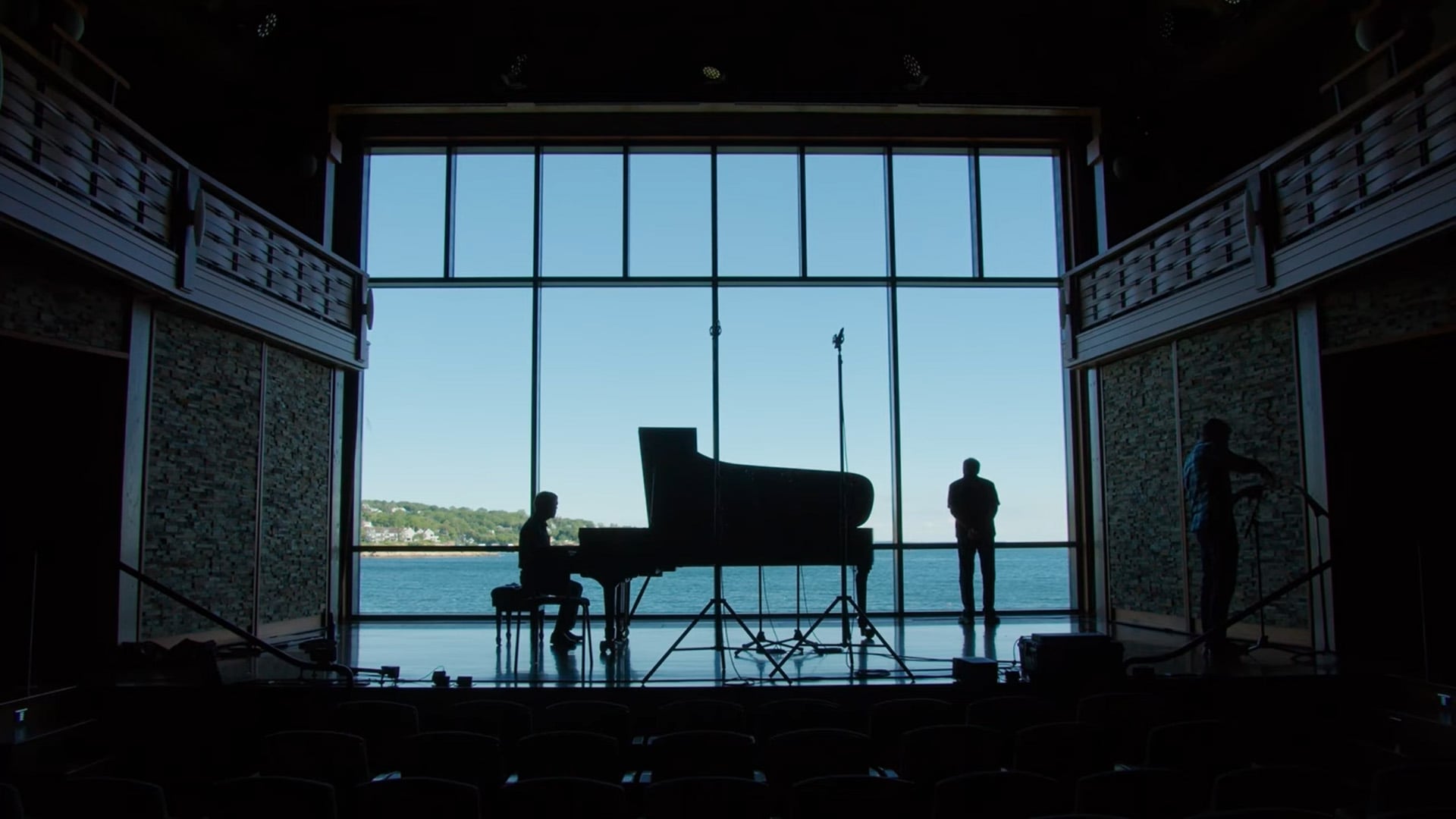 A recording session with pianist Reed Tetzloff and producer Steven Epstein
“My responsibilities as a producer are to make sure — through takes and inserts — that all of the material is covered without mistakes, but as importantly, to create an environment that is suitable for the artists to produce and achieve their ideal artistic goals,” ends Epstein. “The best advice that I can give to those interested in this field is to be fully prepared with the material that will be recorded and to do as much research as possible, becoming thoroughly familiar with the tasks at hand.”
Call to Action